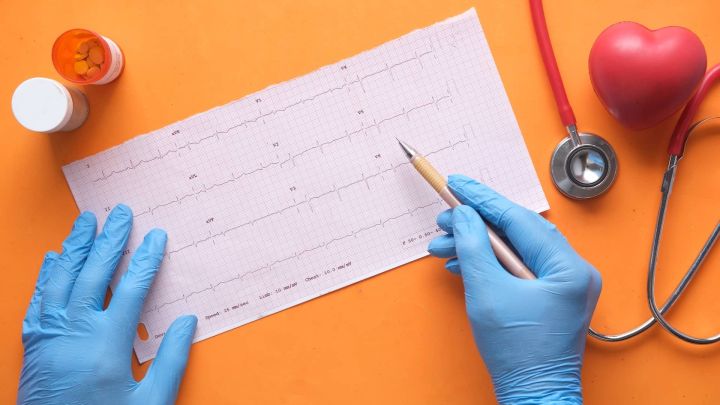

An obvious feature of autumn that is different from summer is that the temperature drops, the weather is unpredictable, and the temperature difference between morning and night is large, which has become one of the main causes of female biological clock disorder, endocrine disorder and bacterial infection in autumn. In addition, the resistance of the human body decreases relatively in autumn, which is also a time of high recurrence for patients with gynecological diseases.
Category:
Disease
-
-
The trial is testing the effectiveness of two chemotherapy drugs, oxaliplatin and gemcitabine, in combination with radiotherapy, an approach that has been used to treat other aggressive tumours
-
Disease
Don't Wait Until You'Re 50 To Start Preventing Osteoporosis! Reminder: These 5 Calcium Supplements Are Reliable
Osteoporosis is the cause of menopausal fractures! Do these 5 things to avoid osteoporosis
-
Coronary heart disease is not terrible, reasonable medication is the key to a healthy life starting from the heart.
-
Disease
Atherosclerosis Is a Natural Enemy Of The Middle-Aged And Elderly, How Can It Be Detected Early?
In the early stages of atherosclerotic disease, most patients have almost no clinical symptoms and develop in a latent state of insidiousness.
-
Disease
JPD: Screening 4000 Literature, Parkinson's Disease, Psychiatric Symptom Presentation, What Are They?
Psychotic symptoms are common in people with PD and are associated with poor prognosis, such as greater physical disability, cognitive and emotional impairment, caregiver distress, nursing home placement and death.
-
Disease
Headaches And Vomiting Should Not Be Taken Lightly! This May Be An Early Symptom Of Brain Tumour
In recent years, the incidence of brain tumours has been increasing every year and is more dangerous.
-
Disease
J Thorac Oncol: Survival Differences In Lung Cancer Patients By Gender And The Impact Of Prognostic Factors On Them
Research suggests that gender-related differences in lung cancer survival are largely determined by known prognostic factors, suggesting an opportunity to explore gender differences in treatment preference, choice and accessibility.