
Pancreatic cancer is known to be a highly fatal and incurable type of cancer known as the "king of cancers". Currently, the only possible cure for pancreatic cancer is the complete surgical removal of the tumour tissue. Once the cancer has spread beyond the pancreatic organ, the patient's treatment options are very limited.
Category:
Medical
-
-
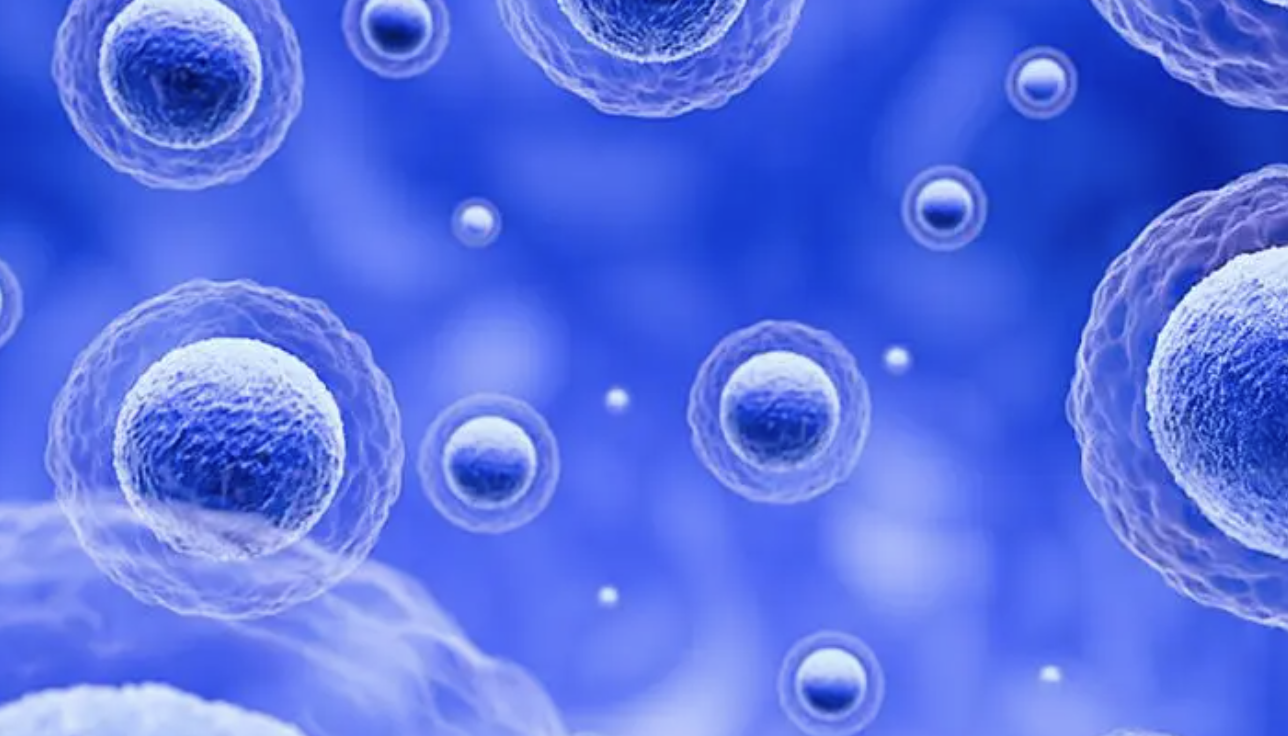
In today's rapidly changing world of science and technology, a research result that sounds very sci-fi will appear from time to time. No, a paper published in the journal Science Robotics belongs to this scope: a cell regeneration robot that successfully works in vivo.
-
Immunotherapy has been a very important treatment in recent years, with many patients in lung cancer, malignant melanoma and many other cancers experiencing dramatic improvements in prognosis with this cutting-edge therapy. In pancreatic cancer, however, progress in immunotherapy has been very slow and its effectiveness has been extremely limited.
-
Medical
Approved! With Just One Oral Dose Per Day, This Type Of Breast Cancer Patient Gets a New Drug
The US FDA has approved Elacestrant, the first oral selective estrogen receptor degrader (SERD), for the treatment of patients with advanced or metastatic breast cancer who are estrogen receptor positive, HER2 negative and have an ESR1 mutation. Results of the trial showed that patients treated with Elacestrant had a 45% reduction in the risk of disease progression or death.
-
Medical
More Significant Survival Benefit For Non-Small Cell Lung Cancer Patients Under 55 Years Of Age, Also Using Immunotherapy!
Recent findings show that the use of cutting-edge immune checkpoint inhibitor therapy (referred to as immunotherapy in this article) has increased rapidly over the past decade in the population of patients with advanced non-small cell lung cancer (NSCLC), but the survival benefit is more pronounced in younger people than in older people, who have limited survival benefit with this therapy.
-
Medical
New Treatment For Childhood Brain Tumours, Tovorafenib, Shows Promising Results With An Efficiency Rate Of 91%!
According to data from a phase 2 trial, the new treatment Tovorafenib resulted in significant tumour shrinkage in 64% of patients with low-grade gliomas in children, a clinical benefit rate of 91%.
-
Medical
Three-drug Combination For HPV-positive Cancers Results In Significant Tumour Shrinkage In 88% Of Patients!
A three-drug combination regimen significantly prolongs survival in patients with HPV-positive cancers, new data from a clinical trial shows. For patients who had not been treated with immune checkpoint inhibitors, it resulted in significant tumour shrinkage in 88% of patients, and even in patients who failed immune checkpoint inhibitor treatment, 63% had significant tumour shrinkage.
-
Although immortality is still only a myth in the mirror, living a long and healthy life is a goal that most people seem to be able to achieve.
-
Medical
Pfizer's New Treatment Elranatamab Receives FDA Breakthrough Therapy Designation For Relapsed Or Refractory Multiple Myeloma
Pfizer's new treatment, Elranatamab, has received Breakthrough Therapy designation from the FDA for the treatment of patients with relapsed or refractory multiple myeloma. Data from the trial showed a patient efficacy rate of 61.0% and that once the therapy is effective, efficacy is maintained for more than six months in over 90% of patients!
-
With the continuous development of science and technology, a series of new myopia correction operations have emerged in the field of ophthalmology. After surgery, myopia patients can also achieve the vision effect when wearing glasses without wearing glasses. Excimer laser surgery, which has been carried out in the last two decades, has the advantages of high efficiency, accuracy and safety.